The 13D: when an investor wants change
What you will learn
- What a Schedule 13D is and when it must be filed
- How it differs from the quiet, slow 13F
- What an activist investor is asking for
- Where to find the one section that matters most
Think of a cricket team. Most fans just watch and clap. Now imagine someone buys a big slice of the team, walks into the dressing room, and says: “I want a new captain, and here is my plan.” That second person is the reason the 13D exists.
In America, when an investor crosses 5% ownership of a company and plans to push for change, they must file a Schedule 13D within five business days. Their stake (the slice of the company they own) is now public, and so are their intentions. An investor who does this on purpose is called an activist investor: someone who buys a stake to press management (the people running the company) to change something. Sell a division. Replace the boss. Return cash to shareholders.
Faster and louder than a 13F
Compare it with the 13F from chapter 1. A 13F is a quiet list, up to 45 days late, and it says nothing about what the fund wants. A 13D is loud and fast: within five business days the world knows who bought, how much, and why. An investor who crosses 5% but plans to sit quietly files a shorter form called a 13G instead. The choice of form is itself a message.
A worked example: reading the cover and Item 4
A 13D has two parts you should always read. The cover page tells you who filed, how many shares they hold, and the exact percentage of the company. Then comes Item 4, “Purpose of Transaction”, where the investor must say, in fairly plain words, what they want.
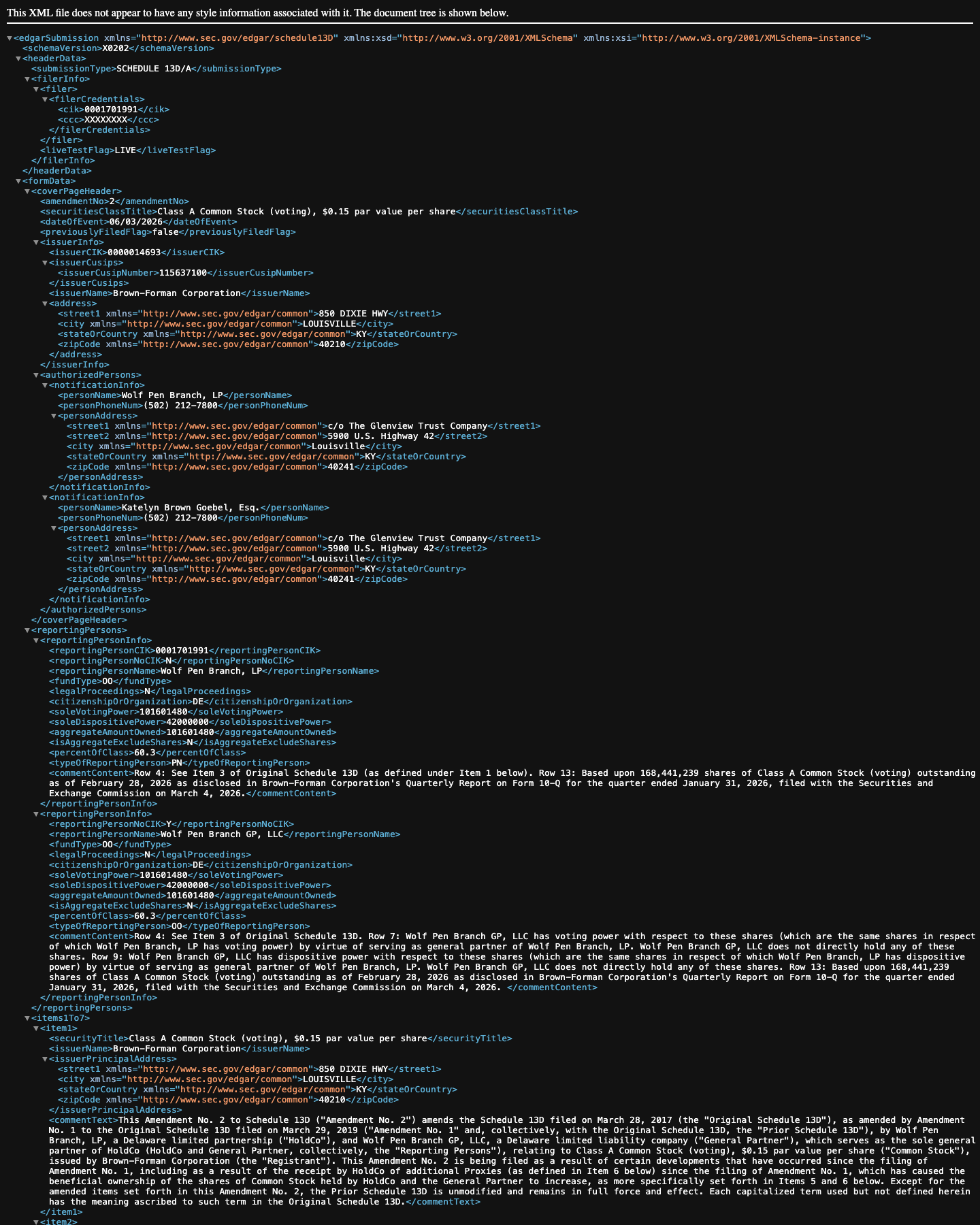
Notice that the cover page names the investor and shows the size of the stake in black and white.
This is not theory. In 2022, an investor quietly bought more than 9% of Twitter, filed a 13D, and after months of public drama ended up buying the whole company. The 13D was the first page of that story. But be honest with yourself about the odds: most 13Ds do not end in fireworks. Many end in a quiet compromise, some activists lose money, and the excitement in the stock price often fades within weeks. A 13D is news to study, never a signal to buy.
Companies usually do not stay silent either. When an activist appears, the company often answers with an 8-K, the “current report” a company files whenever something big happens.
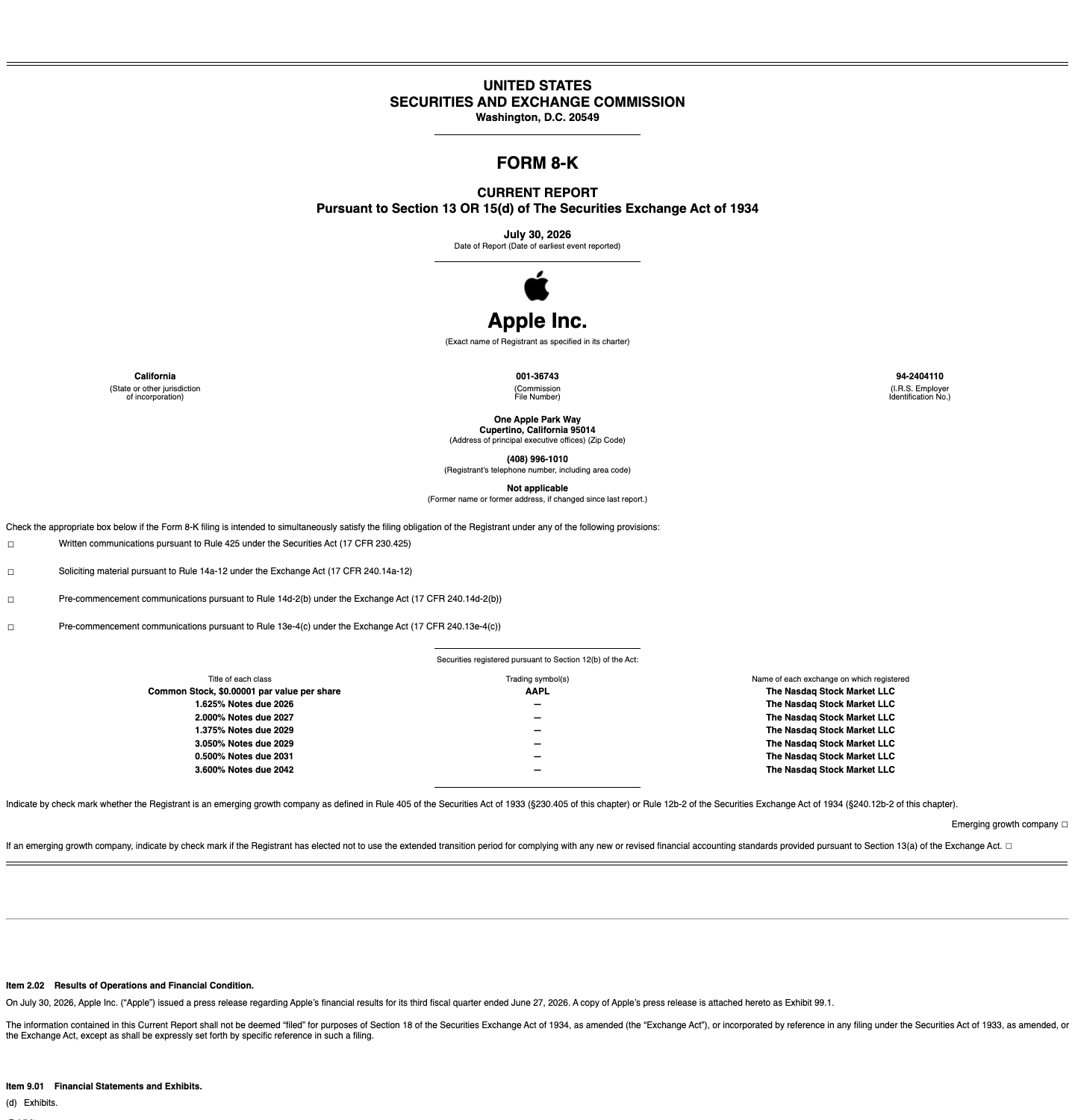
An 8-K is the company’s own loudspeaker, and you will often see one filed in reply to an activist move.
Try it yourself
Go to EDGAR’s full-text search at sec.gov and search for “SC 13D”. Open one of the newest filings. From the cover page, write down the investor’s name and the percentage they own. Then find Item 4 and rewrite their purpose in one line of your own words, as if explaining it to a friend.
Key takeaways
- Crossing 5% ownership with plans to influence a company forces a 13D within five business days.
- Item 4, the stated purpose, is the heart of the filing. Read it first.
- A quiet investor files the shorter 13G instead; the choice of form is a message.
- A 13D starts a story. It does not tell you the ending, and it is not a reason to buy.
Read one real thing: EDGAR full-text search. Type “SC 13D”, open the newest result, and notice how the cover page states the exact percentage owned.
Listen to this chapter
Read by Ritu, a synthetic voice from Sarvam AI