Events vs moods: what a special situation is
What you will learn
- Why most daily price moves are just moods changing
- What Benjamin Graham meant by a “special situation”
- Why events leave a paper trail you can read yourself
- The two filings that tell you an event has begun: the 8-K and the 13D
Most days, stock prices move because of moods. A big bank says something scary, the mood turns sour, and thousands of stocks fall together. Nothing about the companies changed. Only the feeling changed.
Benjamin Graham, the teacher of Warren Buffett and the author of The Intelligent Investor, pointed at a very different kind of opportunity. Sometimes a company does something specific and dated: it agrees to be bought, it splits into two, it offers to buy back its own shares. Now the price depends on whether that event happens, not on whether the market is cheerful that month. Graham called these “special situations”, and the idea sits behind a whole style of investing to this day.
A small analogy. Guessing next month’s mood is like guessing which cricket player the crowd will love next season. A special situation is different: the team list will be announced on a fixed date, in writing, and some people are forced to act on that date. You are not guessing feelings. You are reading a fixture list.
The paper trail
In America, events must be written down. When something big happens, the company files an 8-K, a short “current report” it must send to the SEC within four business days of the event. Deal signed, boss resigns, giant buyback announced: 8-K.
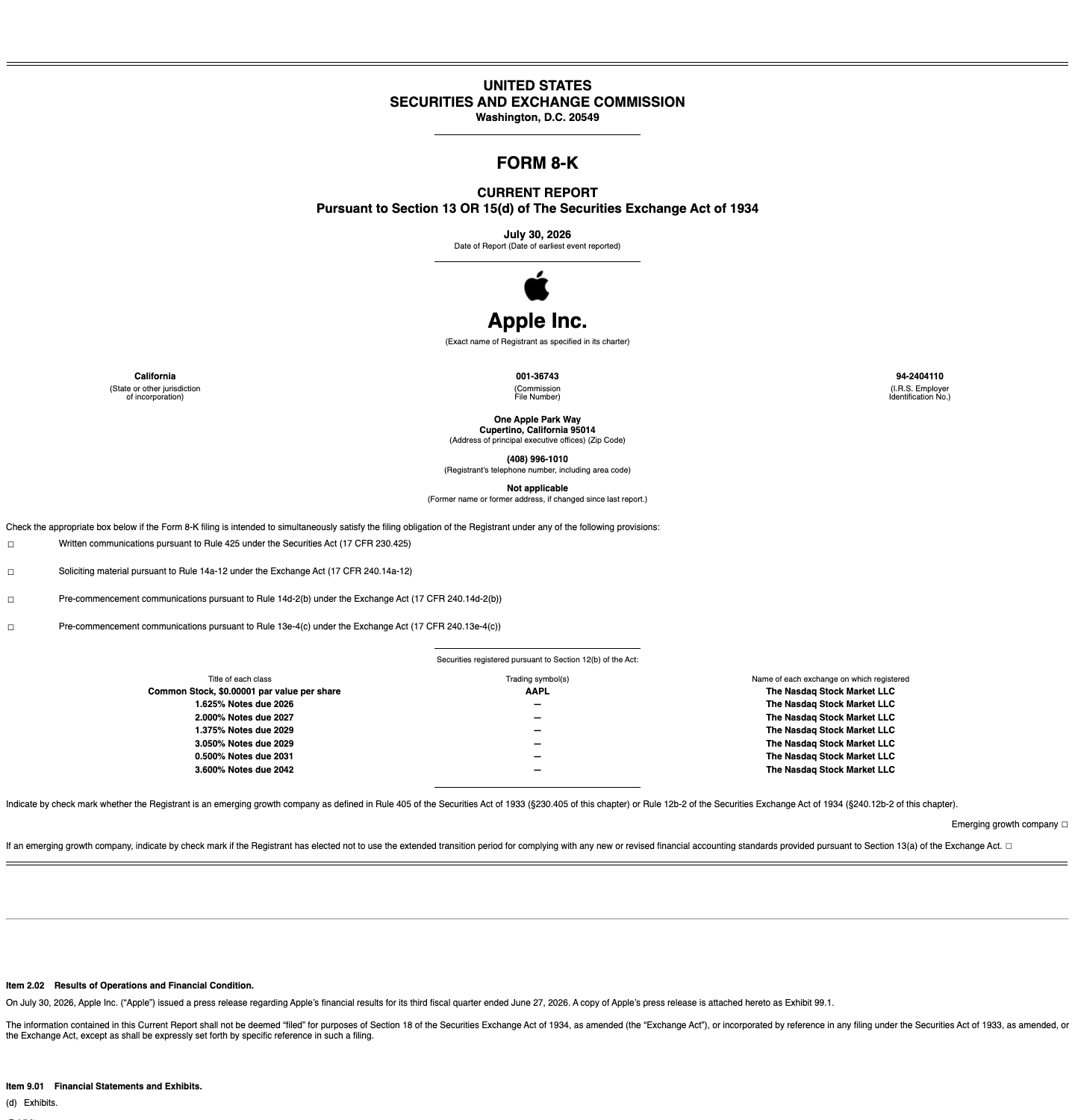 Notice how short it is: an 8-K is not a story, it is a dated, numbered announcement of something that happened.
There is a second signal. When one investor buys more than 5% of a company and plans to push for change, that investor must file a Schedule 13D within five business days. It works like a public letter saying: I own a lot of this, and I want something to happen. A 13D often arrives before a spin-off, a sale of the company, or a big buyback.
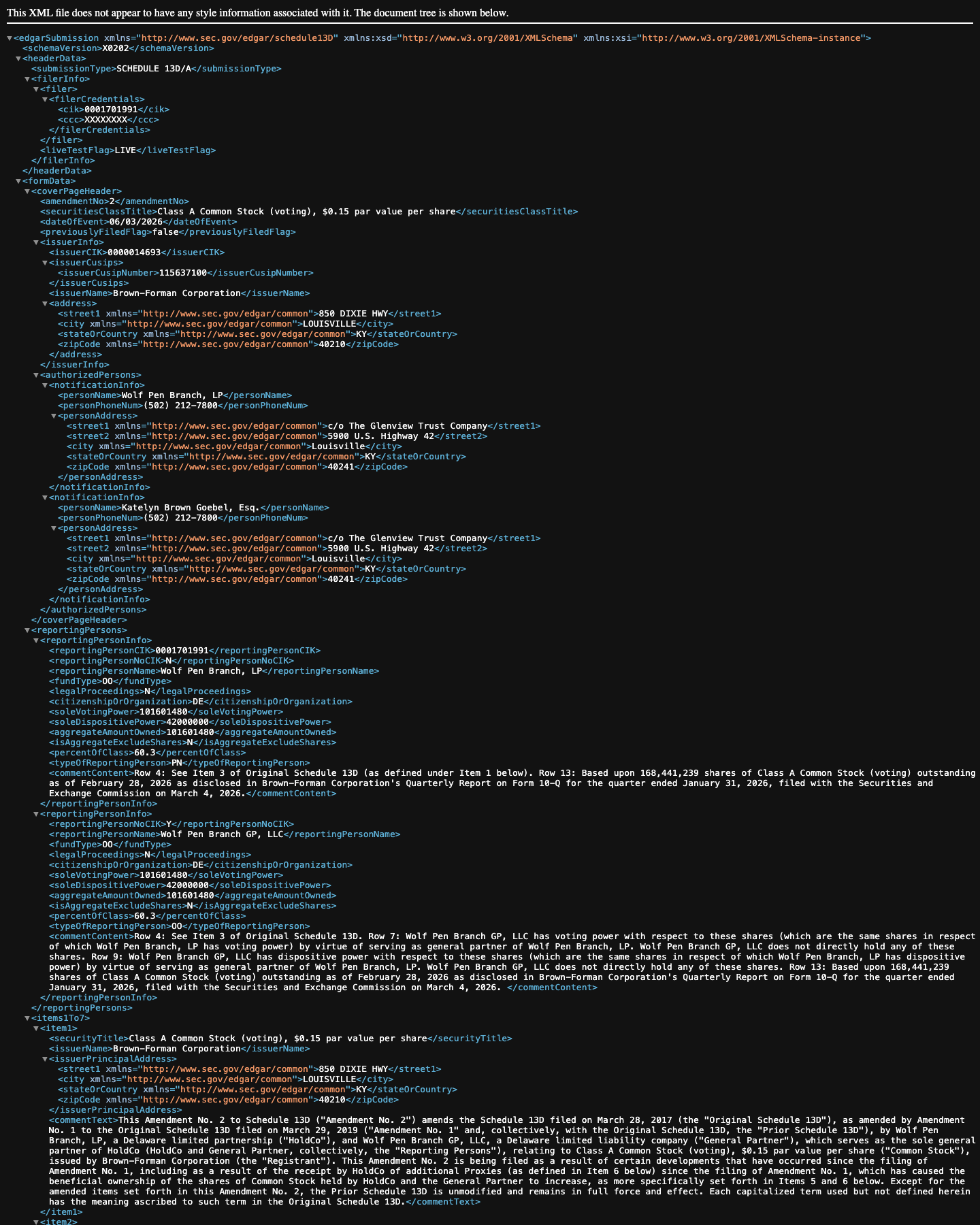 Notice that the filer must state the purpose of the purchase in plain words, not hints.
A worked example with Apple
Open Apple’s page on EDGAR and filter for 8-K filings. Pick any recent one. You will see item numbers such as “Item 5.02” (a director or officer change) or “Item 8.01” (other events). Each one is a small event with a date attached. Most are routine. But every now and then an 8-K is the first written sign of something much bigger, and the people who read filings first learn it from the document itself, not from television.
That is the mindset of this whole module: stop asking “how does the market feel?” and start asking “what event is scheduled, and who is forced to act?”
Try it yourself (10 minutes): go to SEC.gov, open Apple’s filing list, and filter for 8-K. Open the most recent one. Write down the date, the item number, and in one line, what actually happened. You have just read an event in its original document, which puts you ahead of most people who only read headlines.
Key takeaways
- Most daily price moves are moods; special situations are events with dates and documents.
- Graham’s idea: profit from the event happening, not from guessing feelings.
- An 8-K is a company’s short report of big news, due within four business days.
- A 13D is an investor’s public warning that they own over 5% and want change.
- Every event in this module can be read in a real filing, free, on SEC.gov.
Read one real thing: Apple’s 8-K filings on EDGAR. Notice how each row is one dated event, and how unexciting most of them look. That is normal.
Watch this chapter
The video edition, on our YouTube channel
Listen to this chapter
Read by Ritu, a synthetic voice from Sarvam AI