New shares being born: S-1s, 424B5s and offerings
What you will learn
- How new shares are born, and what dilution does to your slice
- What an S-1 is and what it must confess
- What a 424B5 is, and the "shelf" it comes off
- The S-4 and Form 10: registrations that signal events, not fundraising
- Why offerings often dip the price first
Your favourite pizza place cuts every pizza into 8 slices, and you own 1 slice: an eighth of the pie. Now the owner wants a bigger oven, so she creates 2 new slices and sells them to the neighbours. The pizza itself is the same size, but 10 slices now exist. Your eighth just became a tenth. That shrinking is called dilution, and those new slices are exactly what companies create when they sell new shares.
The S-1: the birth certificate
Before a company can sell shares to the public, it must register them with the SEC: show everything, honestly, in advance. The main registration form is the S-1. It must contain the business story, the risk factors (a plain list of what could go wrong), the financial numbers, and “Use of Proceeds”: what the money is for. When the sale is the company’s first ever, it is called an IPO, an initial public offering.
Reddit walked this exact path. It filed its S-1 in February 2024, polished it through updates marked S-1/A (the A stands for amendment), and after setting a final price filed the finished prospectus (the official selling document) as a 424B4. Its shares started trading in March 2024. The S-1’s cover also splits the shares on sale into primary (brand new shares; the money goes to the company) and secondary (existing owners cashing out; the company gets nothing).
The 424B5: shares pulled off the shelf
Big companies do not redo the S-1 marathon every time. They keep a shelf registration, often a form S-3: pre-approved paperwork, like a tiffin service that agreed months ago to feed you whenever you call. When the company actually sells shares or bonds, it files a 424B5, a prospectus supplement with the day’s details: how many, at what price, which banks are helping. When you see a 424B5, new securities are being born right now.
Two special births: the S-4 and Form 10
Not every registration raises money. An S-4 registers shares created to pay for a merger: the buyer pays in new stock instead of cash, so an S-4 means a stock-for-stock deal is on the table. A Form 10 registers shares with no sale at all: that is how a spinoff lists, when a company hands shares of a piece of itself to its existing owners.
What it does to the price
New shares are usually sold at a small discount, a little cheaper than the market price, to attract buyers quickly. So the stock often dips when an offering is announced. Honesty time: dilution is not automatically bad. If the new oven doubles tomorrow’s pizza, your tenth of a bigger pie can beat your eighth of a smaller one. The question to ask is always: what will this cash build, and is that worth my slice shrinking?
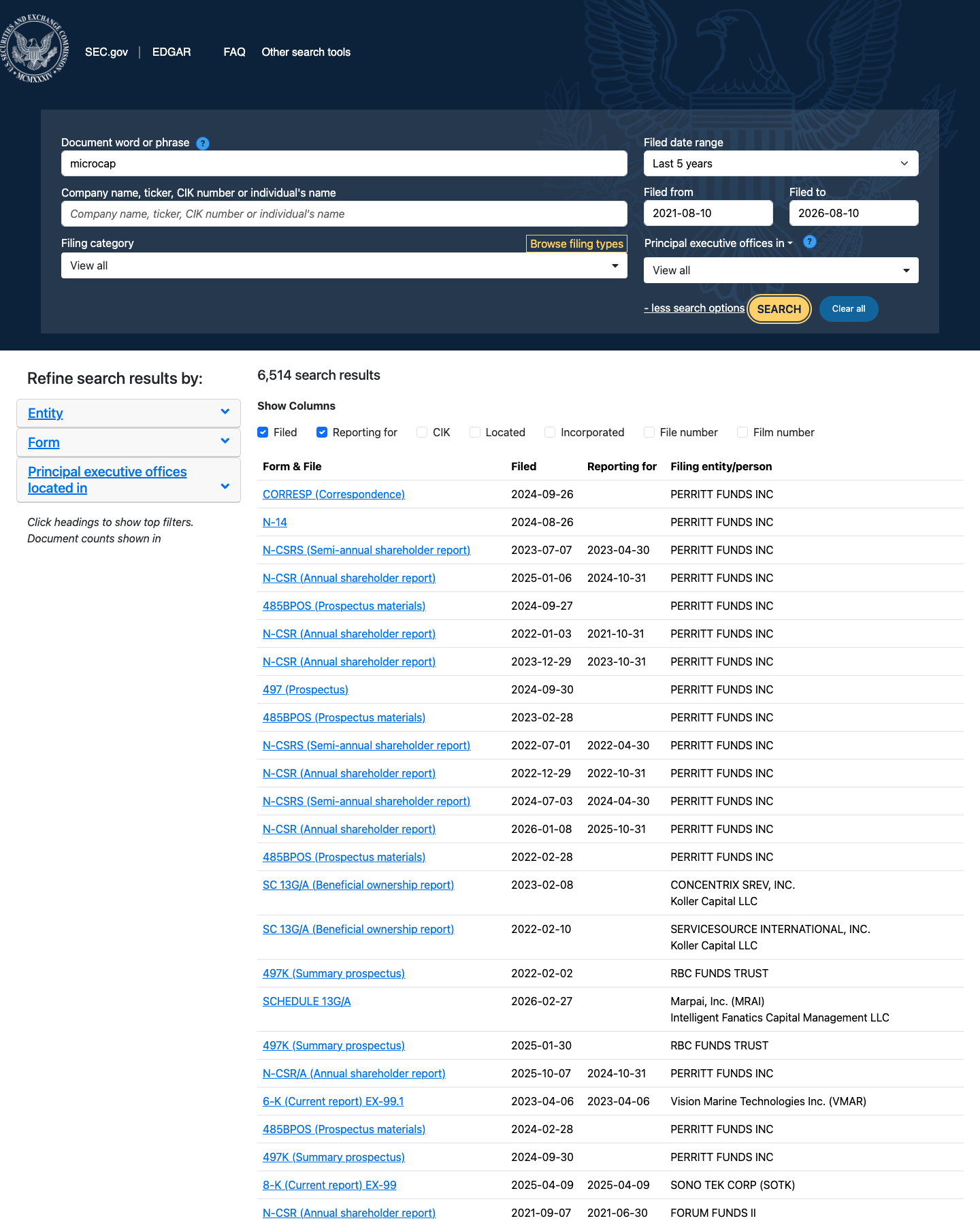 Notice you can search EDGAR’s full text for “424B5” and watch fresh offerings appear almost as they happen.
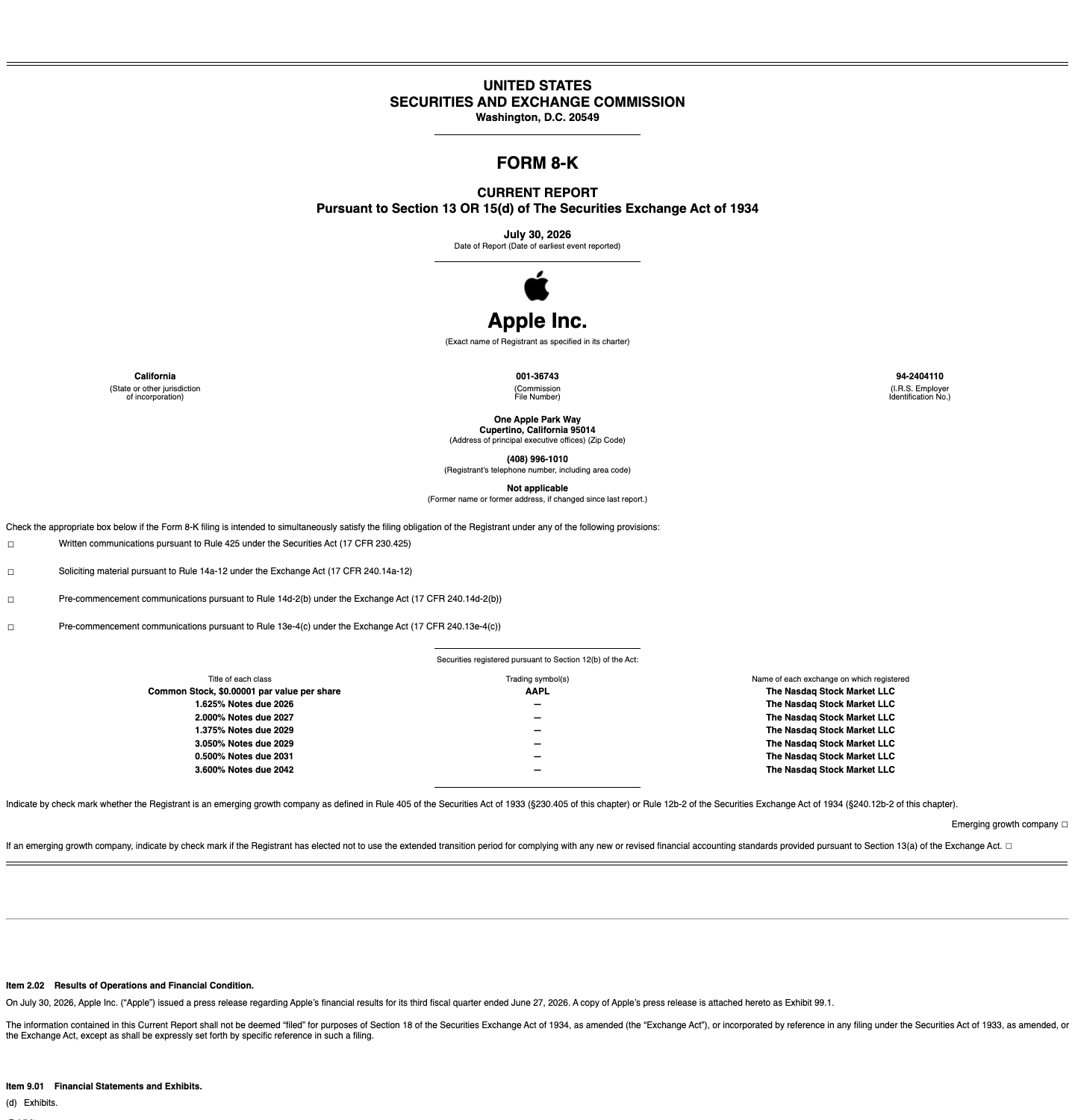 Notice how filings work in pairs: companies frequently announce the plan in an 8-K first, then file the 424B5 when the sale actually happens.
Try it yourself
Open Reddit's S-1. On the cover page, find how many shares were offered and in what price range. Then find the "Use of Proceeds" section and write one line: what was the money for? Finally, count the pages of risk factors. That number alone teaches respect.
Key takeaways
- New shares make every old slice smaller: that is dilution.
- The S-1 is the full honest story a company files to register new shares, including first-time IPOs.
- The 424B5 carries the details when a shelf company actually sells.
- Offerings often dip the price at first; judge them by what the cash will build.
- Primary shares fund the company; secondary shares cash someone out. The cover page tells you which is which.
Read one real thing
Reddit’s S-1. Notice the cover page first (shares, price range, primary versus secondary), then skim the risk factors: the most honest pages any company ever writes about itself.
Listen to this chapter
Read by Ritu, a synthetic voice from Sarvam AI