Merger arbitrage: collecting the last few percent, and what happens when deals break
What you will learn
- What happens to a share price the moment a takeover is announced
- What merger arbitrage is, and why the small gap exists
- How much a broken deal can cost
- Which filings hold the exact deal terms
Suppose a collector promises, in writing, to buy your rare cricket card for Rs 100 on the first of next month. Today, another friend offers you Rs 97 for it. That Rs 3 difference is not free money. It is payment for one risk: the promise might break.
That is merger arbitrage. When company A announces it will buy company B for a fixed cash price, B’s shares jump close to that price but usually stay a little below. The gap exists because deals can fail: regulators can block them, buyers can walk away. People who buy B after the announcement, wait, and collect the gap if the deal completes are doing merger arbitrage. Arbitrage simply means trying to earn a small gap between two prices for what is nearly the same thing.
A worked example: Microsoft buys Activision
In January 2022, Microsoft announced it would buy Activision Blizzard, the video game maker, for $95 per share in cash (about Rs 7,900 per share). You might expect the stock to go straight to $95. It did not. For more than a year you could buy Activision for roughly $75 to $85, because regulators in America and Britain were fighting the deal in court.
If you bought at $82 and the deal completed, you made $13 on $82, about 16%. Nice, but earned slowly, over months of court news. The deal did complete in October 2023, and every Activision share turned into $95 cash. The total price was about $69 billion, the largest cash purchase of a game company ever.
Now the other side. In January 2024 an American judge blocked JetBlue’s purchase of Spirit Airlines. Spirit’s shares fell by about half in a single day. One broken deal can wipe out the profits of many quiet, successful ones. That is the honest shape of this strategy: many small wins, occasional ugly losses.
What the numbers say, honestly
Deals complete more often than you might think: about 95% of American deals announced from 2010 to 2021 closed, and older studies found at least 8 in 10 finishing. The classic study watched 4,750 deals from 1963 to 1998: when a deal died, the typical gap widened past 30% in a single day.
The same study found the strategy earned about 4% a year above the market, after costs. Do not get excited: since 2002 the gaps have shrunk by more than 4 percentage points, and the largest merger-arbitrage fund, ticker MNA, made about 3% a year over the last decade while the plain S&P 500 made 15.3% a year. One warning: in calm markets this strategy seems to ignore the market, but in months when the market falls hard, it falls too, about half as much. Professors compare it to selling insurance against a crash: steady small premiums, until the crash arrives.
Where the terms live
The deal price, the conditions, and the escape hatches are all in the filings. The announcement appears on an 8-K. Then, before owners vote on the deal, the target company mails everyone a merger proxy statement (a form called DEFM14A): hundreds of pages spelling out exactly what must happen for the deal to close, and everything that could kill it.
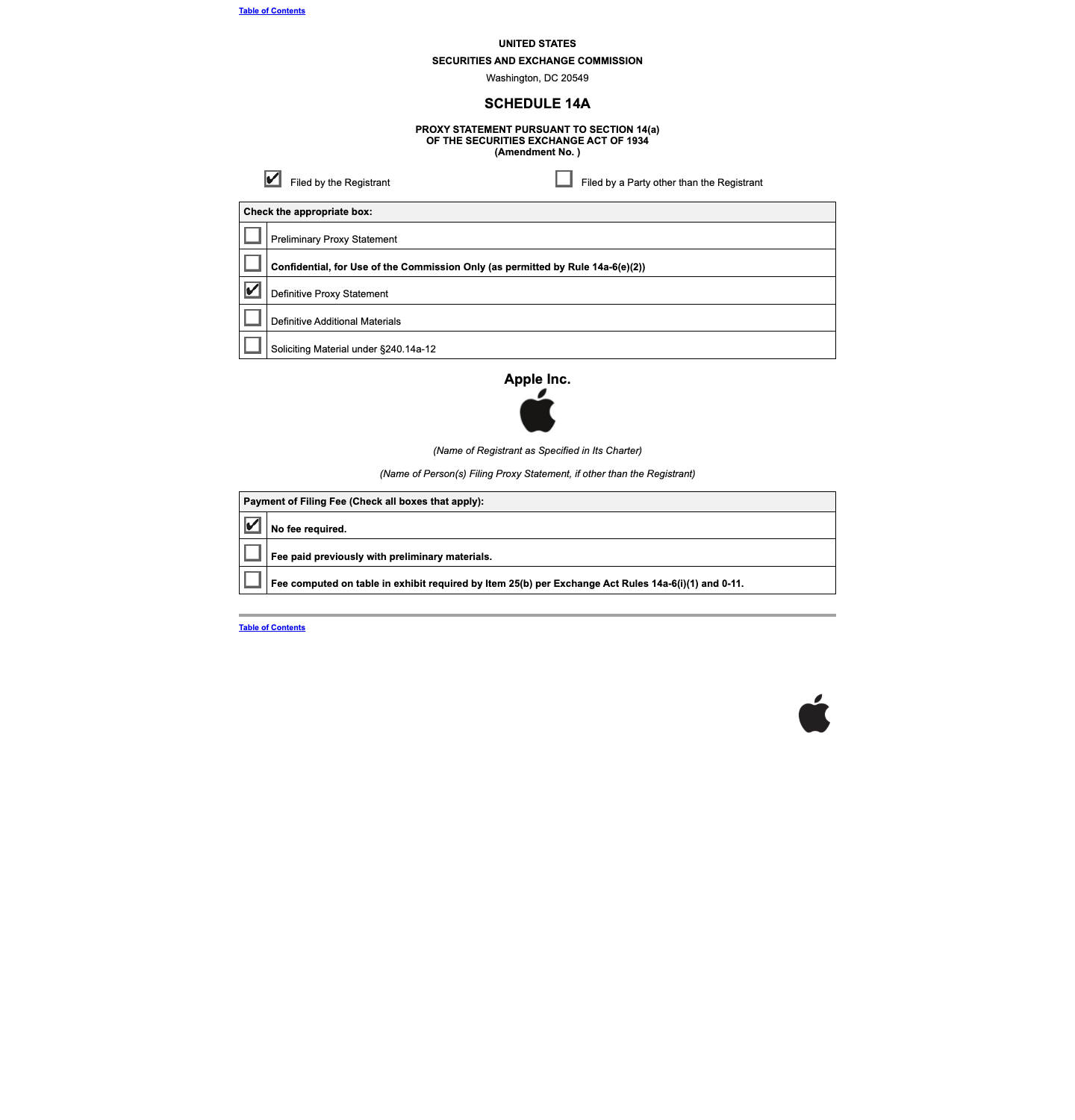 Notice the formal layout: a merger proxy reads like this, and its risk pages tell you exactly how the deal could die.
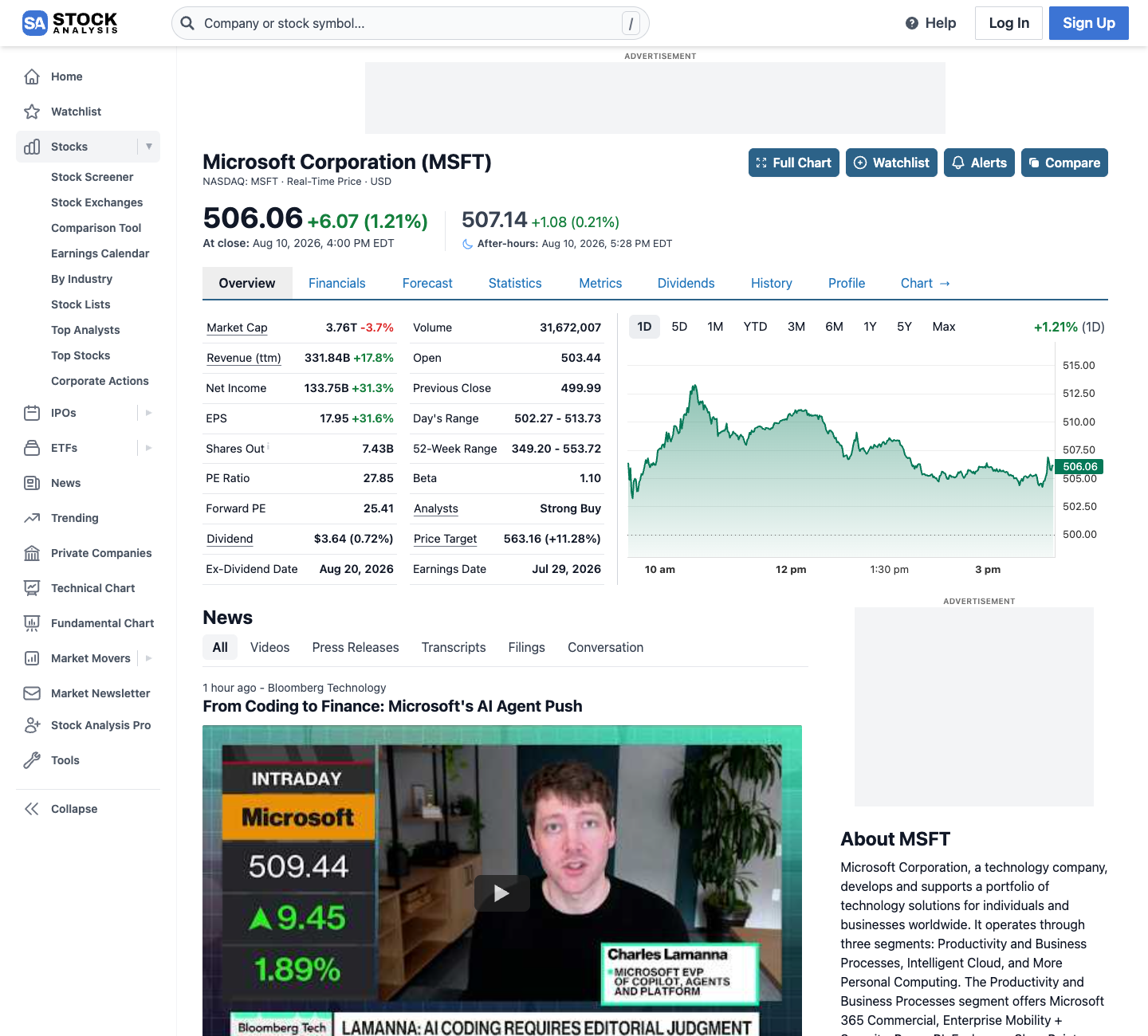 Notice the market value figure: only a truly giant buyer can promise $69 billion in cash and mean it.
Try it yourself (10 minutes): find one announced cash takeover from any business headline, or search EDGAR’s full-text search for “merger agreement”. Write down the offer price and today’s share price. Compute the gap as a percentage of today’s price. That gap is the market’s fear, priced. Do not buy anything; just practise the arithmetic.
Key takeaways
- After a cash deal is announced, the target’s shares trade a little below the offer price. The gap is the price of deal risk.
- Merger arbitrage means collecting that gap; it feels boring until a deal breaks.
- Most deals complete: about 95% of those announced from 2010 to 2021. A broken one can still cost 30% or worse in a day, as Spirit Airlines showed.
- The full terms and risks sit in the 8-K and the DEFM14A, free on EDGAR.
- Never confuse “small gap” with “safe gap”.
Read one real thing: Activision Blizzard’s merger proxy filings (DEFM14A) on EDGAR. Notice from the table of contents that an entire section is just the ways the deal could fail.
Listen to this chapter
Read by Ritu, a synthetic voice from Sarvam AI